In a world where consumers are bombarded with a barrage of advertisements and marketing campaigns, what separates one brand from the other? How can brands connect with audiences on a deeper, more emotional level? The answer lies in the power of storytelling.
Storytelling relies on building a narrative, allowing the audience to activate their whole brain. Using video, voice and sound lets the audience be a part of the experience. Statistics show that images are processed 60,000 times faster than text. A beautiful shot of a sizzling steak is proven to activate reward and decision-making centers of the brain. Seeing someone smile or cry activates empathy and emotional areas. A well-crafted story has the ability to not only capture attention but also create a memorable impression by connecting to the viewers’ own life experiences.
The power of empathy goes beyond just making an impression. Studies around consumer perception of empathy in company culture show that it impacts the bottom line, too. A prime example of a company that understands the power of empathy is Stanley. You’ve likely seen the viral TikTok featuring a Stanley mug that withstood being inside a burning car all while keeping the drink inside cool, complete with ice. This unplanned moment that showcased the durability and functionality of an already popular product would have been a dream for any marketing team. It would have been easy to keep the focus on their product. Taking the path of empathy and replacing their customers car took a great moment to the next level by focusing on values and customers instead of on the product or brand.
How to frame your brand story relies on understanding the unique insights about your brand, your intended audience, and your competitors. Research is key to finding and crafting the insights to build your brand positioning. We’ve spent years conducting independent research focused on the minds and attitudes of member-based organizations. This data-driven approach ensures that we are speaking the language of our audiences to influence their hearts and minds throughout the customer journey.
Creating content for stories can seem daunting but it’s important to not just think of storytelling as simply a video. Stories can serve as fuel for your media campaigns, providing educational content that works at multiple points of the consideration cycle. This approach shows how your product or service addresses what Clayton Christiansen calls “jobs to be done” of your audience – ultimately driving more engagement and sales.
Storytelling is a powerful tool you can use to differentiate yourself from your competitors and make lasting impressions on your audience. By crafting compelling narratives that connect with your audience, you can foster emotional connections that drive brand loyalty, and ultimately increase profitability.
Need help crafting just the right story for your organization? We got you! Reach out and let’s chat!
As 2023 comes to an end, we’re reflecting on some of the fantastic projects we’ve had a chance to work on and are excited to share a few of our favorites with you. We asked our creative team to pick some their most memorable projects they’ve worked on, the list was long but these stood out for us.
Earlier this year we were tasked with creating a series of video ads that encouraged the Indianapolis community to consider getting their latest vaccines to fight COVID-19. We came up with several ideas, but the one that stood out to us and to the client was imagining COVID-19 as an unwanted houseguest, the one who has no boundaries, wrecking people's plans and routines. We took this central idea and developed a series of lighthearted video spots to fuel an omnichannel media plan.
For this campaign we created a few scenarios that we’ve all been in; the guest who doesn’t take off their dirty shoes, the one who eats the last of the cereal, and the one who’s a bit too aggressive while playing family games. We hired some great talent to play the family and of course, COVID man. They brought our vision from paper to life. The whole team did a great job.
One of Indy's more uniquely located apartment buildings, attached directly to the Keystone at the Crossing Fashion Mall, underwent a major transformation led by the team at Core Redevelopment. Their ask from us? A name and brand identity package that would communicate their new vision for the property. We worked with the interior designers, Blackline Studio, and property management partners, PRAXM, alongside Core to make sure our work was emblematic of this new direction. After exploring several naming ideas, we landed on VITRA, which was inspired by the latin word for “glass.” Glass is a major feature of the exterior of the building and the V and A letterforms mirror the sharp geometry of the building. Along with being adjacent to Indy’s fashion and dining scene, these became major influences in the direction of the brand identity. We’re so proud of how this project turned out.


This year we’ve had the opportunity to create many video projects for our clients. Some of our favorites are the stories we’ve helped tell for BCEN (Board of Certification for Emergency Nursing). They started a first-of-its-kind certification program for registered nurses who specialize in the treatment of burn patients. We spent the day interviewing and capturing board members and experts in their field, as they literally wrote the book on the certification process.
This video project aimed to bring attention to this new certification to all current and prospective certified burn registered nurses (CBRNs). Since launching the certification earlier this year, over 150 people have applied for the certification exam.
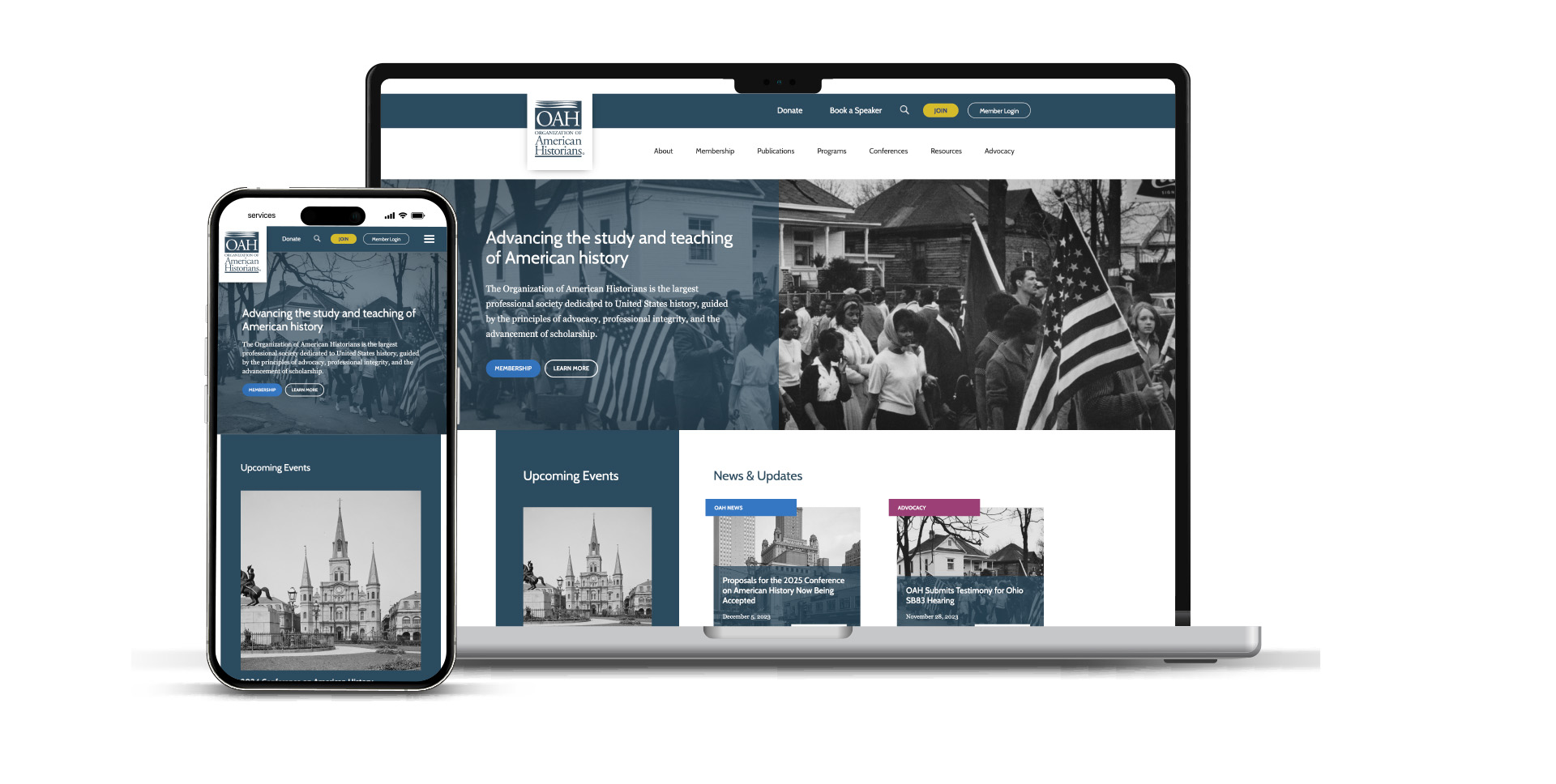
As you can imagine with an organization that is dedicated to history, that means a lot of content. Reimagining how to organize this data for OAH (Organization of American Historians) meant making something beautiful but most importantly designing an experience where their membership could easily access the information they were looking for.
We took inventory of their current content and got to work with the best way to organize it. For an organization with a lot of data, there had to be a way to navigate all that information. We developed their new user interface (UI) by studying how their current users used the site and saw ways we could make improvements to the overall user experience (UX).
We often take web projects from start to finish with our own development team, but for this project we worked with OAH’s very own in-house dev team. It was a great collaboration where we were able to execute all the ideas and designs people on both teams dreamt up.
The website launched in August, and the feedback from members has been extremely positive. They’re able to find what they’re looking for quickly and are engaging deeper on the site. We’re excited to see the growth that this website will bring for the organization.
Here’s to next year
Our success is all thanks to our exceptional team and the incredible clients who trust us with their brands. As we gear up for the upcoming year, we can't contain our excitement for new projects on the horizon.
If you're curious about our latest endeavors or want to discover how we can elevate your brand, don't hesitate to contact us. We're looking forward to helping share your unique story.
The world of marketing is always changing, with new strategies, technologies, and consumer trends emerging almost daily. It’s essential for businesses to stay ahead of the curve and anticipate the upcoming trends that will help shape their marketing efforts.
These Five Key Marketing Truths are set to make a significant impact in 2024, empowering businesses to harness the power of data to connect with their target audiences in innovative ways to achieve sustainable growth.
With the increasing number of users blocking cookies, as well as increasing legislation and national debate around user privacy, there has been a significant shift from relying on third party data to utilizing first party data collection. First-party data is information collected from audiences through your owned digital channels, making it reliable and issue-free as people have consented for you to use their data to make contact and engage. Because it’s owned by you, first party data provides invaluable audience insights making it easier for you to provide more personalized experiences and target more of the right users and harder for competitors to gain insights into your audience’s preferences and behaviors.
When used correctly, insights gathered from first party data can be a goldmine for your business. Once you understand the data you’ve collected, you can amplify the ROI across every marketing effort. They can be used to build brand awareness, re-engage lapsed customers, drive new leads and more. By using these insights into customer identity, behaviors and interactions, businesses can purchase fewer, higher-quality ad spots with the potential for higher conversion rates.
Another advantage of first-party data is its ability to provide a detailed look into your audience’s user journeys. With the ongoing evolution of existing ad and social platforms as well as the frequent introduction of new platforms, tracking and defining user journeys can become tricky. Because first party data is defined, collected, and owned by the company itself, it can see more accurate and timely customer journeys and audience patterns which will be helpful in short- and long-term planning and determination of KPIs.
Part of the user journey will likely involve audiences visiting your website where they will be seeking content related to their issues or opportunities. Although placing certain content behind a gate or member wall can play an important part in lead conversion, ungated content can also serve as an easy way to make potential leads more aware of and interested in your brand and offerings. It’s important that your content offerings are aligned with each stage of your audience’s user journey in order to drive lead conversion.
You've probably heard the saying "content is king." And when we talk about content, we're talking about storytelling. We combine first-party data with audience insights to create powerful and genuine stories that make a deep emotional connection between your brand and your audience. This helps build trust and loyalty, ultimately leading to action. And when it comes to storytelling, video is one of the best tools available. With the rise of mobile and streaming, investing in video is a smart move that can help you connect with your audience like never before.
Having a positive relationship with your employees is important for sustaining a healthy work environment in your company. While work should be the priority, team-building activities allow for bonding opportunities and a chance to recharge. The following are team-building ideas, local to Indy, that you could consider for your next company outing:
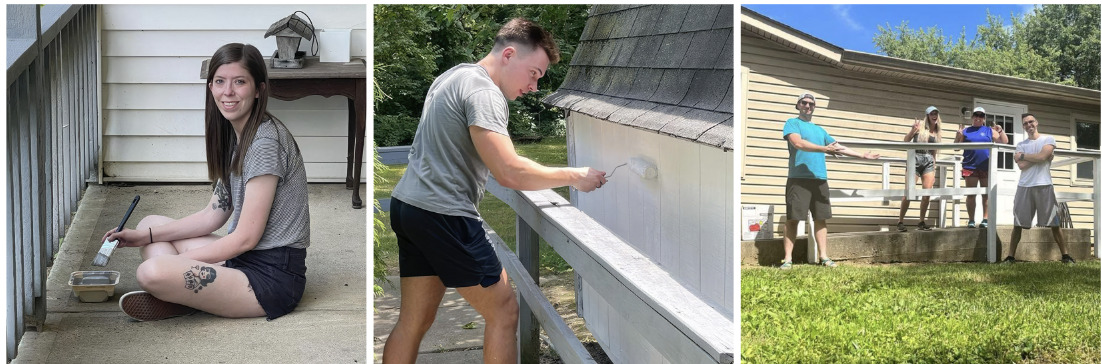
Donating your time to help others is a great way to give back to your community while also strengthening your team’s relationship. Volunteering opportunities could include a common passion within your team such as environmental clean-up initiatives, animal shelter outreach, or food pantry programs. Volunteering opportunities could also be available within your client’s organizations.
If donating time is not an option for your company, consider donating necessity goods to an organization of your choice. Donations vary from organization to organization but could include food, cleaning supplies, and personal hygiene items such as soap, toothbrushes, and toilet paper.
Last summer, Willow took a trip to four homes occupied by New Hope of Indiana residents. New Hope has supported individuals and their families for over forty-five years. They provide services for individuals with disabilities and advocate for a more inclusive community. Ask your clients if any volunteering opportunities are available within their organizations.
Let your creativity run wild! Artistic activities such as painting, candle making, and cooking are great opportunities to connect with your team members while also reducing stress and boosting office morale. Having creative projects outside of work can also improve future job performance by sparking new inspiration that follows the team back into the workplace!
Our employees got creative at Kicasso Sneaker Art Bar in Broad Ripple, which hosts private events for teams to paint sneakers together. Shoes and other supplies are provided, just bring your team and artistic flare!

Does your company love to compete? Friendly competition activities can improve teamwork skills and provide a fun challenge! Your team can find competitive activities in your community or make your own! Trivia games or sports brackets can be a great way to get your team working together.
At Willow, we love a good challenge! We put our Chopped knowledge to the test at Chef JJ’s in downtown Indianapolis. Chef JJ’s is a unique, guided culinary experience, offering private events that allow your company to compete in a friendly cooking competition. Watch out- the grills are hot and the knives are sharp! And best of all, you get to eat the food your team makes! Find out more about booking your team’s private event here.

Sometimes sitting at a desk all day combined with general work-related stress can leave you feeling burnt out. To combat this, get moving! Whether it is the Indianapolis AIGA Kickball Tournament or a company step challenge, creating an incentive for physical activity can improve the health and mental well-being of your team, leading to a healthier work environment.

Consider taking your team to Bad Axe Throwing in downtown Indianapolis. Bad Axe offers a guided axe throwing experience where fantastic coaches instruct teams on correct throwing techniques. The event ends with an axe throwing competition, so winners get office bragging rights!
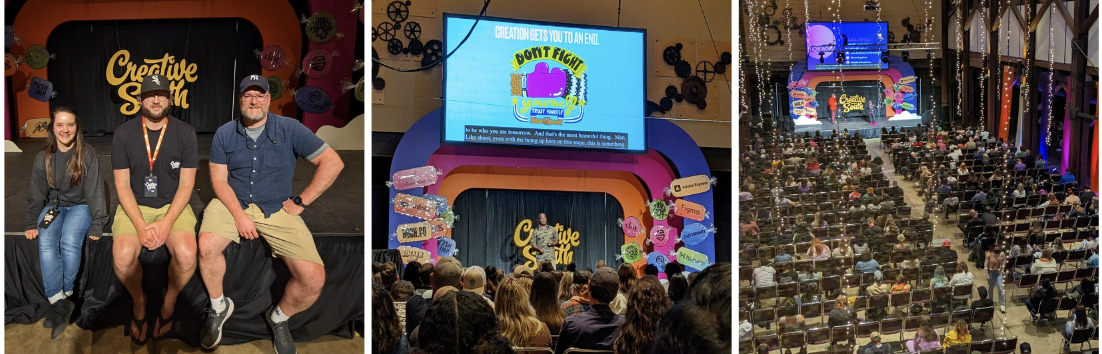
Conferences, workshops, and other professional development opportunities are a great way to expose yourself to the best work happening in your industry. In late March, our design team traveled to Columbus, Georgia for Creative South where they had the opportunity to listen to and even meet a diverse group of creatives that sparked lots of inspiration. Providing opportunities to send employees to conferences and other professional development events can help recharge employees and teams and get them fired up for collaboration on upcoming projects!
There are moments in agency life when we experience change that leaves everyone, including our clients, saying “Wow, this is new, so what does it mean for us?”. I would like to welcome you to another one of those times. What is this new change you may ask? Google Analytics 4 (GA4).
Whether you’ve heard about it or not, GA4 is coming fast therefore we want to answer your questions faster. In the area below I have created a Q/A style section to help answer some of the most asked questions about our new friend GA4. The fun twist in these answers is that I am not someone who has expertise in the digital field, I’m just a humble Project Coordinator. With the help of our digital team and my own research I would like to answer these questions about GA4 in a way that is helpful, easy to understand, and most importantly using words and terms that you won’t have to Google because I already did!
Q: What is GA4?
A: GA4 is a Google Analytics software that can show you how user data from your sites or apps is collected and organized. Like the tools before it, it gives you details on the traffic (or amount of people visiting) to your website and apps as well as how your website and digital marketing are performing. GA4 has the same goal as previous tools, but with different and updated features!
Q: What was being used before GA4? What are the differences?
A: Universal Analytics (UA) was the Google Analytics tool that was used to capture data before GA4. The difference between UA and GA4 is how they track data:
Q: What are the pros of GA4?
A: There are multiple pros of converting to GA4, but I’ve listed a few below:
Q: When will the official switch to GA4 happen?
A: The official switch from UA to GA4 will happen on July 1st, 2023.
Q: Will the switch to GA4 mess up my previously saved data?
A: No! Data from UA can and will be downloaded to GA4 before UA stops processing data. UA will stop processing data at the end of December 2023, and UA will still be available to access historical data about 6 months after it stops processing.
Those who have been heavily looking into the switch from UA to GA4 have also come up with “migration checklists” to ensure that all the data previously used for UA can be duplicated for GA4.
These questions and answers are not the end all be all. I’m hoping they can be a small guide into what is about to come from this new digital tool. While there is still much to learn about GA4, a lot of our learning will come after the switch in July has been made.
It will be an ever-growing experience that our highly skilled digital team will continue to grow in and adjust with as we serve our clients and our company with each new change that comes our way.
Resources/Links that helped me better understand GA4 and the language:
https://www.bigcommerce.com/ecommerce-answers/what-universal-analytics/
GA4 vs. UA
https://www.rootandbranchgroup.com/what-is-ga4-google-analytics-faqs/
https://www.youtube.com/watch?v=qMYkBbU2otM
As designers, we’re always trying to stay on top of all design trends around us. Some we may shrug off at first, but when you start to hear more and more about it, you start paying attention and curiosity falls over you.
Within the last few months, AI-generated artwork and text is a trend that has been dominating the design world. I scoffed at it, thinking that there’s no way anyone could take it seriously. As more stories started to come out, like the time it passed a bar exam, or the time someone captured modern superheroes in an 80’s bar with a Polaroid camera, I started to become very curious about it.
AI-generated content is the use of artificial intelligence algorithms and natural language processing to automatically produce written, spoken, or visual content. This technology trains on large datasets of human-generated content and uses the patterns and structures it learns from this data to generate new content on its own that can be used for various purposes such as creating articles, product descriptions, social media posts, or video scripts. While AI-generated content can be efficient and consistent, it can also lack the creativity, originality, and understanding of the context that human-generated content possesses.
While AI-generated content has the potential to revolutionize the way we create and consume content, it also comes with a set of pros and cons that should be carefully considered.
There are many companies that have used AI in their marketing, but some notable examples include:
The two main AI players are ChatGPT, which is used to generate text, and Midjouney, which is used to generate images. Both take your prompts and return the finished project in a matter of seconds.
Here at Willow, we have what we call, “Motivational Monday.” We rotate through every week, each one of us presenting on a topic that we find interesting. Mine was on AI, and below is that presentation, all completely built with AI.
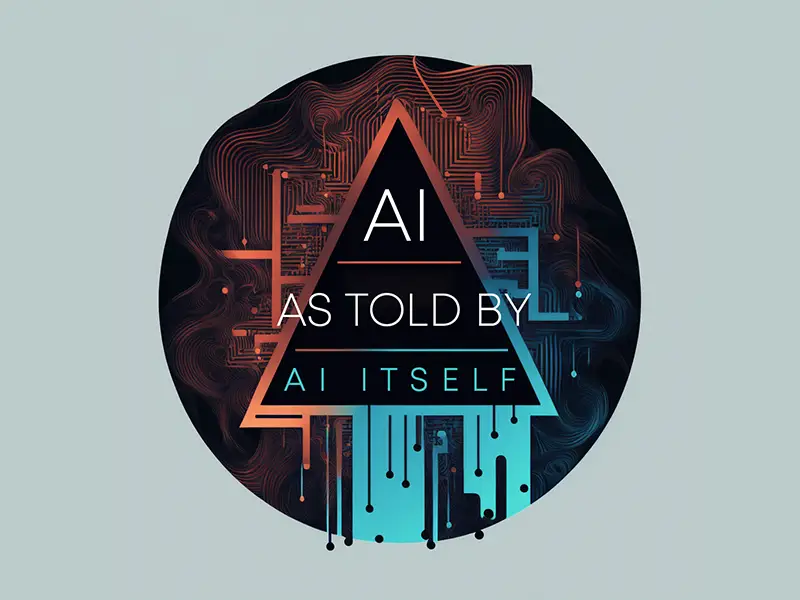
I started by asking Midjourney to create a title slide called “AI. As told by AI Itself.”
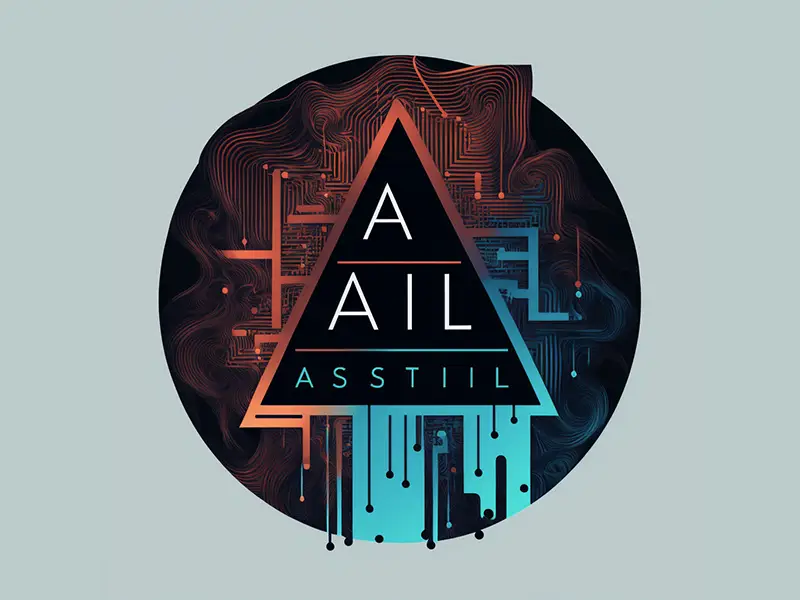
As you can see, Midjourney doesn’t like to give you legible text, so I had to correct that myself.
I then asked Midjourney to create some “PowerPoint backgrounds in a clean, minimal style.”

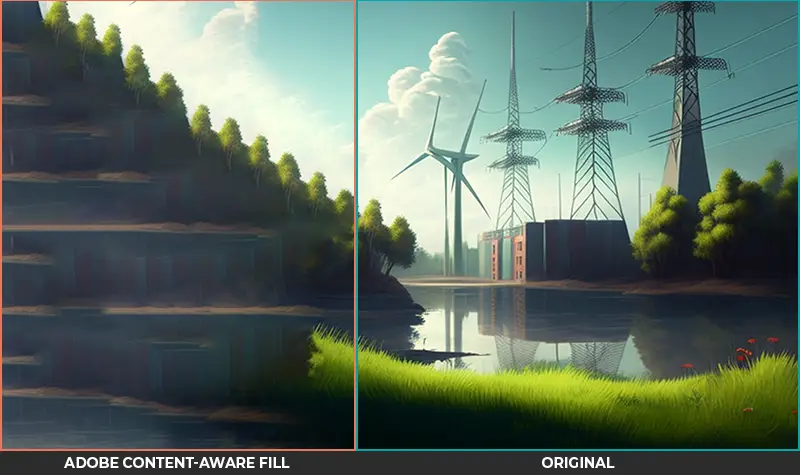
Instead, it gave me “Clean” and ”Minimal,” power plants. But, oh well. I used them because I wasn’t about to put any extra effort into this presentation entirely built by AI. Then I realized another issue I had. These were in a square format and I needed them to display on a wide screen. That's where Adobe’s AI came in handy. There is a tool called “Content Aware Fill” that will guess what the rest of the space should look like. I’ve been using this tool for the last few years, and it does an amazing job. A lot of times it needs retouching since it sometimes shows the telltale signs of the “Clone-Stamp.” But again, since this presentation was 100% done with AI, I was going to let it show its faults.
Now that I have the design ready, it’s time for the content and to switch over to ChatGPT.
I asked ChatGPT to write me an Instagram post to promote the state of Indiana, and here’s what they came back with:
“Discover the heartland like never before! 🌽🏙️ From rolling hills to bustling cities, Indiana has something for everyone. Visit us and experience all that the Hoosier State has to offer. #ExploreIndiana #HeartlandHolidays"
I then used Midjourney to create some images to go along with this Instagram post. These are the images that were generated from this prompt:
“Indycar playing basketball in the Hoosier state with corn and a giant tenderloin.”

My goal was to try to break Midjourney, and I think I did. But it also shows how smart it is. It knows that an Indycar wouldn’t actually be playing basketball and instead, shows a person.
Both Midjourney and ChatGPT are relatively new and are getting major attention, but Adobe has been using AI in Photoshop for a few years now. I wanted to include some more practical examples of how it could be used in my presentation.
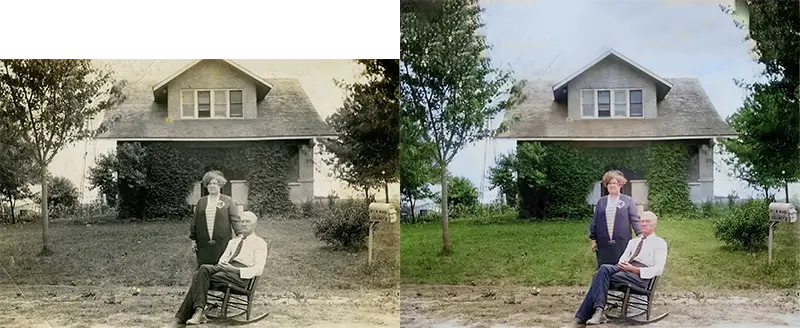
There are a bunch of new filters called Neural Filters, that use AI to analyze a photo and generate something new based on what it’s learned. This first example shows how it can color a black-and-white photo. The left image is an original scan from a 100-year-old photo. A photo of my Great Great Grandma and Grandpa to be exact, sitting in front of the house where my grandpa and my dad would eventually be raised.
Photoshop knew exactly what was grass, and even figured out that the grass and weeds on the old road would either be dead or dirt-covered. Along with coloring the photo, I had it extend the top of the photo. It added the top point to the house and extended the trees.
Another feature in Photoshop is Smart Portrait mode which provides a bunch of ways to modify people’s faces. In the example below, there are 3 changes. Can you spot them? Two are obvious, one may be harder.
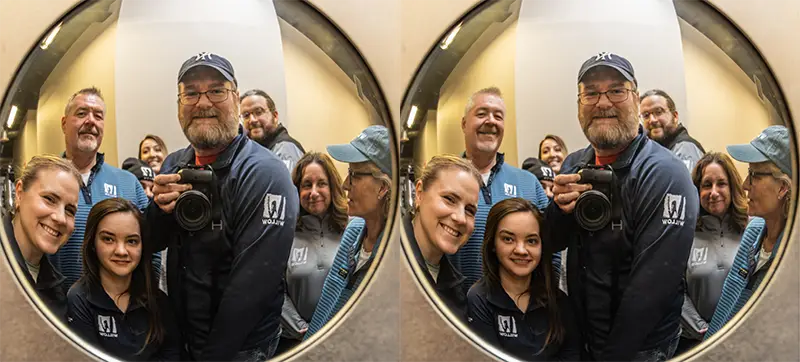
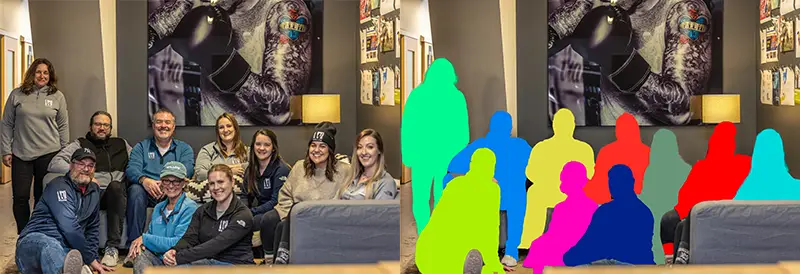
Another time saver in Photoshop is the ability to mask objects. It will search the photo and generate masks for every individual object it sees. This takes less than a minute to do. While it’s not perfect either, it’s a great starting point to go back through and clean up.
One of the things I wanted to do with this presentation was to make it interactive. I could tell everyone how AI works, but it would be better if I showed them. I created a MadLibs game and gave everyone the same prompt.
Give me a
Color:
Second Color:
Location:
An Item you'd wear:
Noun:
Progressive Tense Verb (Jumping, Running, Sliding, etc.):
Preposition (In, on, down, etc):
Artistic Style (Comic Book, Abstract, Surrealism, Photograph, Etc):
Here are a few of the results:

Kathy — “A blue beach biking on Ft. Myers Beach in a blue baseball hat in the style of garage sale chic.”

Eric — “A green dog jogging up mountains with a black cowboy hat on in the style of a photograph.”
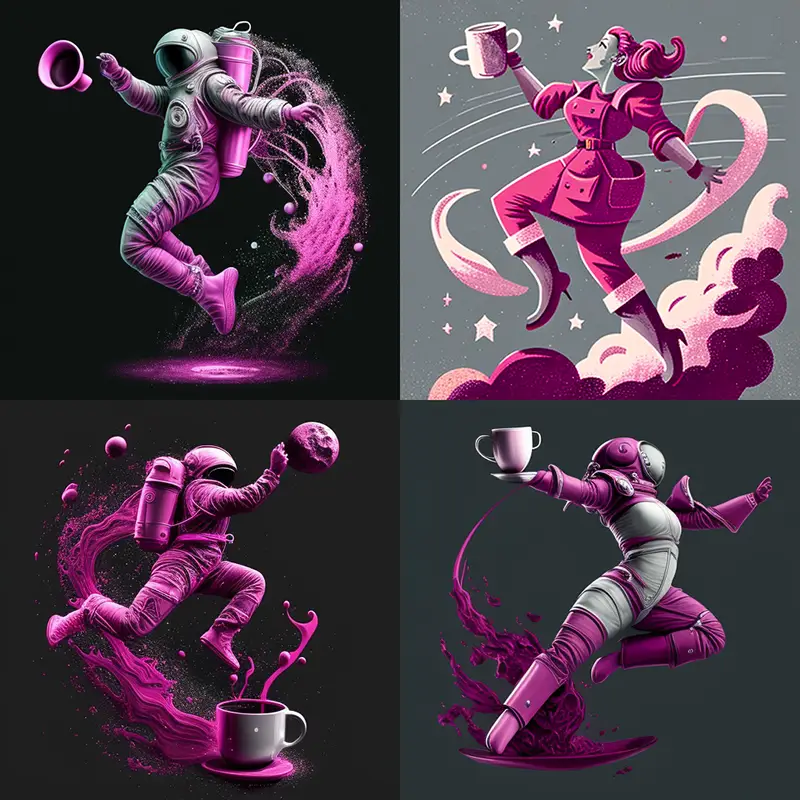
Sarah — “Gray coffee-wearing magenta overalls dancing with outer space in the style of Art Deco.”
Now that I’ve tried out all the current AI offerings, all I can say is that while it’s not perfect, I’m impressed. Midjourney still has issues, (Take a look back at the 3-legged bike-rider from Kathy’s prompt above) and ChatGPT seems to get a little repetitive in its writing sometimes, but it's amazing to see what both are capable of. And like it or not, AI is going to be sticking around and finding its way into a lot of our lives moving forward.

To view my original POWER PLANT presentation with more MadLib prompts from our team members, click here.
Relationships are the lifeblood of any business, but often this critical fact gets lost in a haze of product or service-focused details. Neglecting to prioritize clients and their needs can spell trouble for even the most successful companies. In fact, the 2022 Global Consumer Trends report from Qualtrics (Nasdaq: XM) estimates that businesses stand to lose $4.7 billion globally due to bad service. Recent global challenges have only exacerbated client frustrations with poor service and pushed interactions with clients into uncharted territories. As companies continue to grapple with the effects of the pandemic and still meet client expectations, building relationships and fostering strong customer loyalty are more vital than ever. The solution to this global problem is quite simple; we need human connection. Representatives of companies need to stop seeing clients as "clients" and start treating them as people. It doesn't matter if you have a one-person consulting company or a Fortune 500 corporation, the principals are the same. Relationships are the antidote to bad service and unhappy clients. Here are five ways to build strong working relationships that will delight your clients.

It’s important for clients to know that their concerns matter. Whether you are working with an individual or a board of a large corporation; they're all people who want to find solutions to their problems, and they have entrusted you to help them do it. Be mentally engaged and available to hear what they are trying to communicate and ensure they know you are seeking a solution. A simple “I am going to look into this and will get back to you with an update by tomorrow” will go a long way.

Clients not only want solutions, they also want clear and consistent communication. If the solution isn't something you can provide right away, give frequent updates, set expectations, and then do your best to exceed your promised timelines. If there are bumps along the way, always tell the truth. There is no faster way to kill a client relationship than for them to catch you in a lie. Trust is earned, and once that bridge is on fire, it's almost impossible to rebuild.

It's your job to put yourself into the client's shoes, and step up to advocate for them. This means very clearly communicating your client’s needs to your internal team and setting realistic timelines that work for both parties.
Also, be helpful, humble, and kind. Be prepared to meet clients at their skill level, not yours. It's not their job to accommodate your needs; it's your job to ask how you can assist them. Educating them up front with empathy and understanding will only help improve your relationship in the long run.

Remember, clients are not obstacles, they are people with emotions and concerns – just like you. Every complaint or issue is an opportunity to learn and improve. Statistics show that 83% of clients believe that they feel more loyal to brands that respond and resolve their complaints. (Khoros) Demonstrating that you can be there for your clients, in good times and bad, builds a trust that your company will be there for them when they need you.

Helping clients with full transparency, not shying away from difficult conversations and conveying pure motives to help, will set you apart from your competition every time. Clients will return to do business with that person; the person who made them feel less like a wallet and more like an individual.
As the holidays quickly approach, we likely find ourselves thinking about traditions, a blend of the old and the new. Sharing favorite seasonal practices with those who look forward to them every year, and oftentimes in the process, establishing new rituals, too.
Marketers take a similar approach in their efforts to secure their share of consumers’ holiday shopping dollars by refreshing themes that have worked in the past: taking an age-old concept and putting a modern spin on it. Let's take a look at the holiday past and see how it can make your brand stand out in the present.
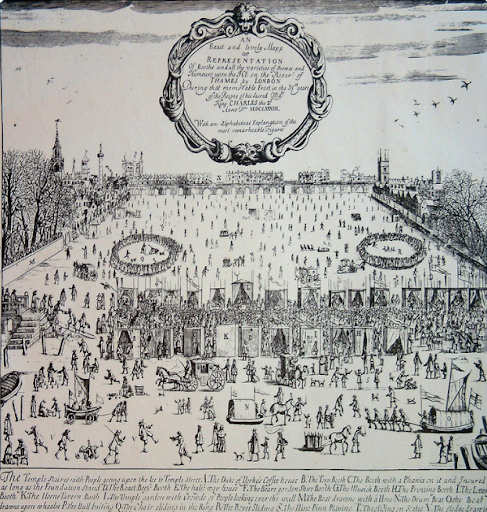
Up until the late 1600s Christmas was a more somber affair rather than the jovial celebration we know it as today, but when a series of freak ice storms hit London in 1683 freezing the River Thames, it was the perfect excuse for a celebration. The Frost Fair was a two-month fair hosted on the frozen River Thames and was a mix of seasonal shops and products, activities such as horse and coach racing, ice skating and puppet plays, football, bowling and sledding and plenty of holiday cheer - aka booze. Because the frozen river made shipping impossible, local Londoners took to the fair for trade, travel and entertainment. Due to the pure spectacle of the fair itself, people from all over the country flocked to see it as well.
Modern Take: Experiential marketing like pop-up shops and bars and large-scale holiday events are a great way to evoke a sense of tradition and nostalgia as well as draw crowds from near and far.
Some modern-day examples of this right here in Indiana include:
Since its opening in 2017, the event has attracted over 1 million people to the city of Carmel. The market was twice named the #1 winner for Best Holiday Market by USA Today’s 10BEST travel media group, named the top Christmas market in the state of Indiana by Taste of Home Magazine in 2017, and a top holiday market by Fox News in 2021.

This beloved Indy event remains a tradition among many families to this day, since its inception 60 years ago.

So obviously Charles Dickens didn’t invent Christmas, but Christmas was at the time — as mentioned above — more of a second-rate holiday in Great Britain. Meanwhile in America, Christmas was being outlawed in many states throughout the 18th century by Puritans because they saw it as a wasteful festival that threatened Christian beliefs and encouraged immoral activities (they’re looking at you Frost Fair). Then, in December 1843, the release of Charles Dickens A Christmas Carol reshaped the holiday in a more positive light, making it about friends, family, and the Christmas spirit. A Christmas Carol wasn’t so much a holiday campaign as it was a huge success in and of itself.

Modern Take: More than discounts and sales, heartwarming stories and holiday cheer are what really sells.
Many modern brands are doing this by creating commercials and campaigns that tell a story so captivating, you forget it’s an ad.
This is a four minute short film directed by Wes Anderson that was released online to promote H&M’s ‘Come Together’ clothing line. The video reached over 860 million people online, and received over 19 million YouTube views. #ComeTogether trended worldwide upon its release, and fueled conversation around the topic instead of around the clothing. Even though this wasn’t a typical sales pitch, it contributed to a positive sales environment for H&M as well as a 6% YoY growth across the H&M group.
In the latter half of the 1800s — when plated glass first become widely available — owners and managers that built large windows running the length of their stores were at the cutting edge of innovation. Macy’s in New York City was the first to use window displays for the holidays and remained one of the only major retailers to do so for more than 25 years. It became an attraction for local New Yorkers as well as tourists and it eventually led to fierce holiday window display competition in other major cities.
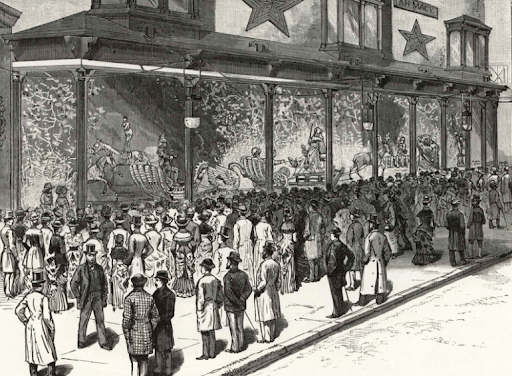
Modern Take: It’s important for brands to use emerging technology and innovation to create memorable holiday experiences
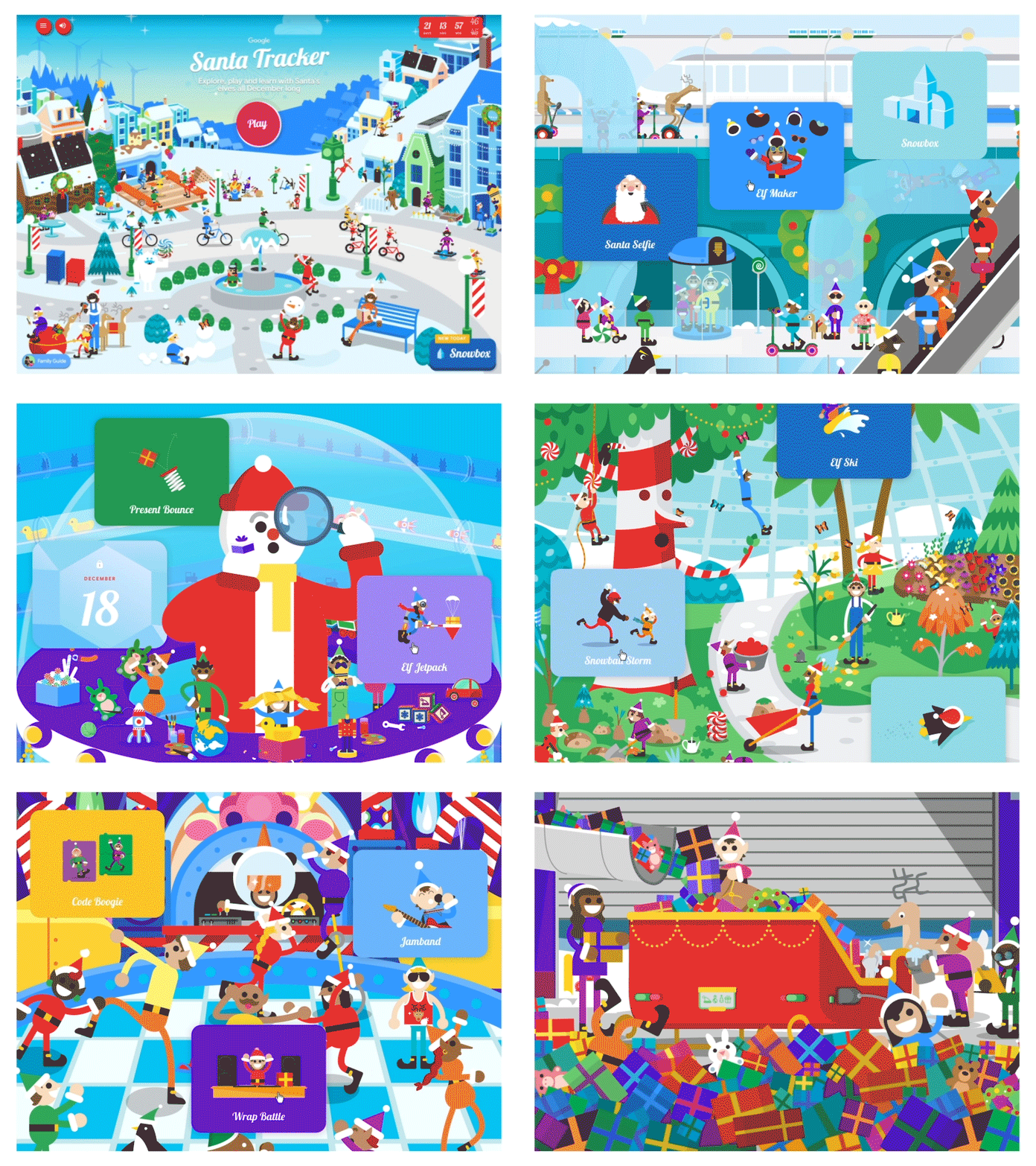
Going strong since 2004, Google started The Santa Tracker campaign as a simple way to follow Santa’s journey around the world via Google Earth. It's since evolved to include interactive games and experiences as well as show information about the cities Santa visits and offer “live updates” directly from the sleigh.
Since 2006, users have created over one billion elves using the site and app. Recently, the Elf Yourself app has been updated with new features, such as Augmented Reality and the ability to print your elf as a seasonal greeting card. Users can also share their creations on social media using #ElfYourself. The Elf Yourself campaign is a really great example of how a holiday campaign can be used to grow brand awareness rather than only aiming to increase sales.

Before 1931, there were many different depictions of Santa Claus around the world, some not so jolly but downright scary. In 1931, Coca-Cola commissioned illustrator Haddon Sundblom to paint Santa for a series of Christmas advertisements, and the result became the typical image of Santa that we all know and love today. This shift in the depiction of Santa was so successful that – even though it’s not true – Coca Cola is often credited for ‘inventing Santa Claus’.

My Modern Take: It’s risky to go against tradition, but the reward can be worth it… sometimes.
The mysterious modern take above is of course in reference to the Starbucks red cup controversy of 2015. For those of you who may be unfamiliar with the tale, it’s story time.
Once upon a time, in 1997, Starbucks started redesigning their cups for the holidays and customers anxiously awaited and celebrated the new design each year…until 2015. That year would go down in history as the time Starbucks broke the internet and the world with their solid red cup design.
2015’s cup was a simple red ombre design, which Starbucks said was intended to represent the spirit of inclusivity. That didn’t sit well with an internet evangelist who created a video claiming Starbucks was basically trying to ruin Christmas – it quickly went viral and led to a raging controversy.

In response, the genius that is Starbucks spun this and invited its customers to use the red cups as a blank canvas to fill with their own stories. They even had a contest where they chose their favorites and shared the artists creations on their social media channels.
Throughout this trying time, social media was flooded with images of these cups and for every negative hashtag created there was a trending pro-Starbucks hashtag (#itsjustacup). It was mentioned in the news, talk shows, and even by then presidential candidate Donald Trump. No matter what your opinion was, it always included the brand name of Starbucks – bringing crazy attention that resulted in an uptick in sales
So the clear winner in this fight and hero of this story was Starbucks - the end!
If your brand wants to build holiday traditions that generate awareness, drive sales and just create those warm fuzzy feelings that consumers are craving this time of year, looking to the past is a great place to start.
Happy holidays, and happy marketing!
With zero-party data firmly in the driver’s seat of the trust economy, it’s more important than ever for you to think about how you engage your customers. If you're unfamiliar with zero-party data and its benefits, we suggest you start with our introductory article on the topic. If you're well-versed on the what and why of zero-party data, let's talk about how we can collect and leverage it for your organization.
We’ve already seen a major shift of social platforms becoming one-stop shops for everything your website also does. If you aren’t careful, your website may devolve into nothing more than a database of information about your business. This may not sound like such a bad thing until you consider the implications of a platform you have zero control over being the main proprietor of your company's data and the sole source of truth for your message. Scary.
For this reason, you want people on your website, interacting with you and your content, and – ideally – providing you with their information directly. This is zero-party data.content strategy, data privacy, zero-party data
Convincing users to willingly provide their data is shockingly simple: add value. If you want or expect users to surrender their personal information, make it worth their while. Sure, a percentage off their purchase or free shipping can be enough for some brands, but if you want meaningful engagement, provide meaningful incentives.
“The more data we have on you, the better your experience will be.” Many companies say this, but lack the followthrough. But styling services like Stitch Fix do this extremely well. The more data you provide on your personal style preferences, the better your selections will be. There’s an immediate ROI for the consumer. This is co-creation of the brand experience. Participation brands get more “share of mind” from consumers – meaning they think about your brand more often than others because they’re actively engaged with it.
Leverage your data to cater an experience, curate products, and overall serve them better. It becomes less about selling and more about connecting. Allow your consumers to feel (and be) heard. Provide them with a better experience, connect with them on a personal level, and solve their real problems and you’ll create loyal customers and fans.
Understand that implementing zero-party data is actually very simple, but getting your customers to engage with it is the challenge. So — practically speaking — how do you do this? It’s a straightforward system not unlike traditional marketing strategies or the scientific method:
Find ways to give customers control over their data and how you use it. An example of this is an email preferences center where individuals can opt-in to or out of communications.
Thoughtfully consider how you want to engage your customers and what information you want to collect to develop value propositions. These can be anything from curated recommendations, special offers and discounts, or exclusive access to content and resources.
Take the time to analyze and understand the data you collect. Find what’s working and what isn’t working. Make notes. Gather more intel from customers via surveys and pay attention to what resonates.
Actively listen to your customers and make changes based on their inputs. Revise data collection methods, update value propositions, and use this information to improve the customer experience with your brand.
Start the process all over again. If we’ve learned anything from our time as researchers, it’s that the needs of customers are constantly changing based on several factors — the economy, cultural trends, and global pandemics to name a few.
The key to zero-party data is leveraging it to build meaningful relationships with your audience. As you learn more and more about your consumers, you'll be able to serve them better with new product offerings, more customized experiences, and an authentic presentation of your brand. Put in the effort now to understand your audience, and you'll be hitting orbit with a stellar customer experience that not only sets you apart from the competition but — more importantly — adds value.
Over the past few years, marketers have weathered many changes – but one thing remains the same: Content is king.
Brands and organizations are constantly working to maintain the churn to keep their website at the top of Google search, to share their insights on topics relevant and timely to their audience, and to be heard above the noise of the competition.
But simply pushing out content without a strategy is kind of like screaming into the void. Yes, you’re making a lot of noise – but are you being heard?
Sound relatable? If so, a content strategy can help!
Content strategy is a road map for all of the content you produce, and should define important elements such as your content’s:
First, let’s quickly break down what each of these elements means in relation to your content strategy.
Every content strategy should have a calendar of some sort included. This can be executed in whatever way makes the most sense to you and your team – from an excel spreadsheet, to a Gantt chart, to a Trello board or other workflow solution-powered deliverable.
Your calendar should plan out every piece of content associated with your campaign – whether that’s a month view or a year-long snapshot. Defining the timing of each piece of content not only ensures you’re regularly sharing relevant and resonant content with your audiences, but it also helps align all the various touchpoints coming from your organization.
For example, I’m sure we can all agree that it’s not ideal to send three different emails to one customer in one day – even if they come from different people, and address different topics. Hammering out the specific timing of each piece within your content delivery helps prevent consumer communication fatigue – and gives you a 20,000-ft. view of how all that content all works together in the big picture.
Odds are, your organization has a lot to talk about. Make sure you’re hitting all your bases on a regular basis! (See what we did there?)
To create a good content mix, your strategy should define 3-7 specific content “buckets.” These buckets could include:
A successful content strategy will include elements from all your identified buckets, weighed in a way that makes sense for your brand. If you have a new product line launching soon, for example, your content strategy should include more posts sharing sales or informational content. If you’re trying to build name recognition for a new CEO and spotlight his or her expertise, more thought leadership content should be scheduled. No matter what your communications priority is from month to month, a defined content strategy will ensure that you’re not leaning too far into one content bucket, or neglecting an area completely.
Not every piece of content is designed for all your consumers. Defining the audience of each communications piece in your content strategy is a good way to make sure all your targets get an adequate touch – and that every message is being directed at the right target. It’s also a means to ensure that the medium or channel you’ve selected is right for the intended audience. (For example, if you’re trying to reach seniors, a TikTok campaign might not be the best approach!)
This facet of content strategy is also a great way to make sure all audiences are receiving regular and intentional communications, and that no one group is getting a little TOO much love!
No one wants to see the same thing all the time! That’s why your content strategy should include a variety of media all working together to communicate your desired message. Elements could include:
A successful content strategy will contain a mix of all these elements – and a thoughtful and intentional plan of when each element will be deployed, who it’s designed to reach, and how it will be supported by other content touch points.
For example, if you have a social media post planned on the first of the month promoting a sale with a fixed start and end date, your content strategy should map out what other communications will be deployed to reinforce that message – like an email that drops the same day as that social post, for example.
There are so many ways to put a content strategy to work for your organization!
First, it can be used to chart a specific campaign. In this instance, your content strategy would be focused around a specific message or event, and would share a defined message over multiple communications channels and touchpoints over a set period of time.
For example, let’s say your association is planning its annual conference. Your communications strategy would map out when communications will start (backing out months before the actual event itself), all of the various ways you will promote the conference, the frequency and timing of each and every email, social post and direct mail piece, all of the various messages you want to promote about the conference (registration, the speakers, the location amenities, add-on experiences, travel recommendations, etc.) and how all those pieces align.
But a content strategy doesn’t have to be campaign specific. It can also be a recurring annual tactic that maps out the comprehensive, converged communications you intend to tackle over a year, or a quarter, or even a month.
The most important thing to remember is that content strategy is a guide. You might have urgent needs that must be communicated that won’t fall into your plan, or some big event (like a global pandemic, for example) could come up and take you back to square one. Prepare to be nimble when needed, and revisit your content strategy on a regular basis to make sure it’s still achieving its intended purpose.
Want to learn more about how content strategy can help your brand – and how Willow can help you create and execute a strategy that will move the needle? Let’s talk!
